1. The Joe Rogan Experience
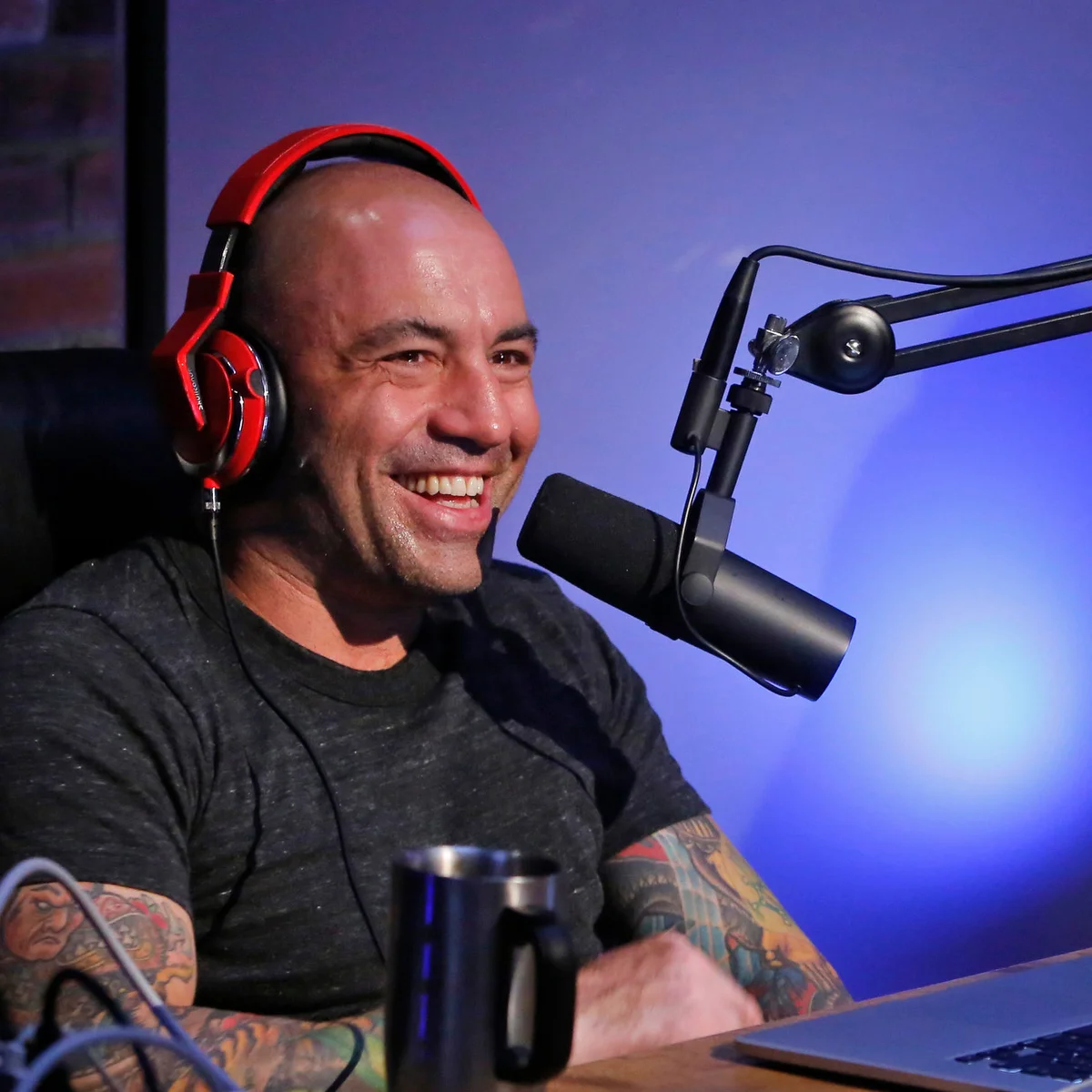
Still the gravitational center of podcasting. With well over 2,500 episodes, JRE is where comedians, scientists, athletes, and presidential candidates all end up eventually. The show's superpower is time itself — three unedited hours lets a guest actually think out loud. The same superpower is also why your watch-later queue is a graveyard of half-finished Rogan episodes.
2. The Diary of a CEO — Steven Bartlett
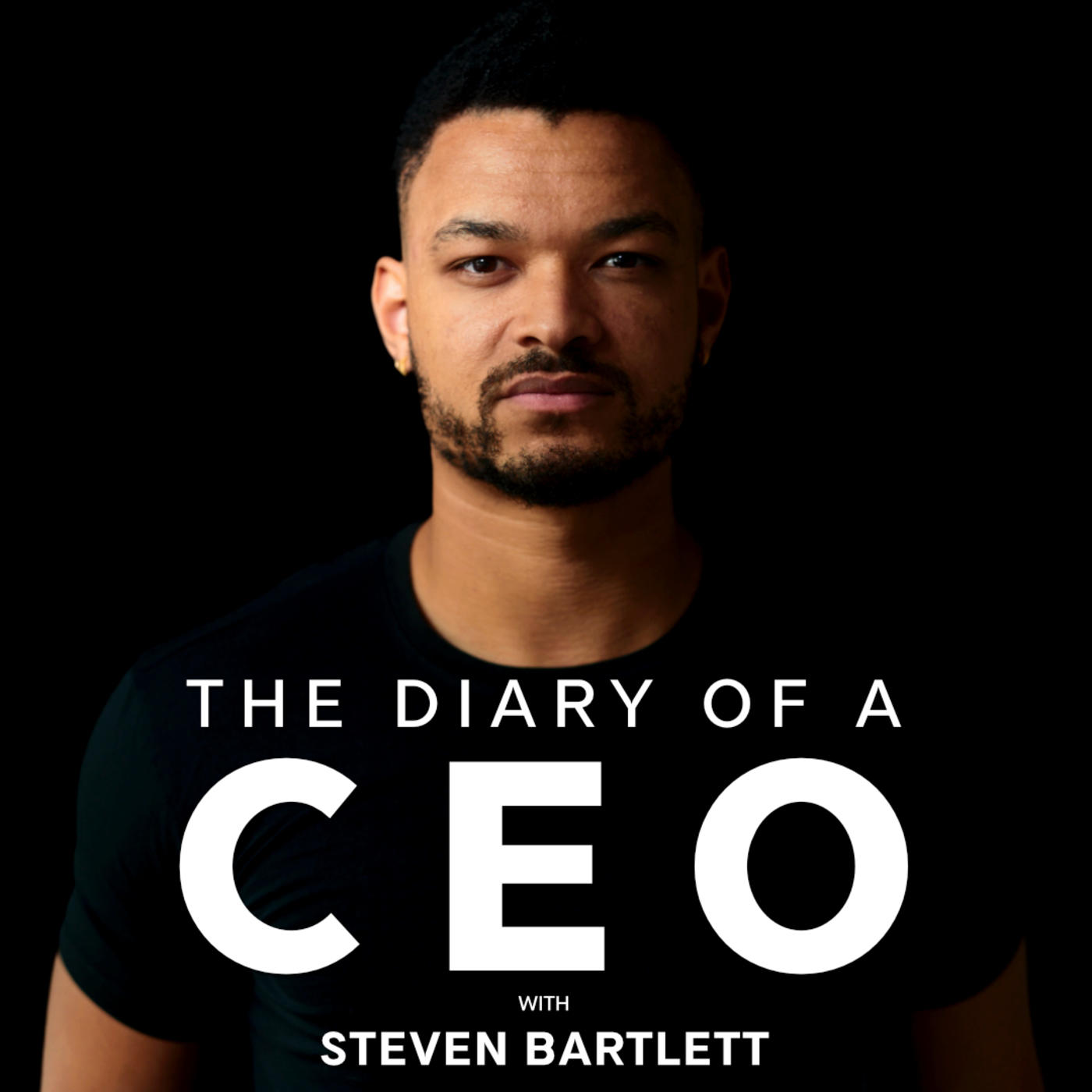
Steven Bartlett has built the fastest-growing interview show in the world, reportedly pulling over 40 million downloads a month across platforms. The production is cinematic, the questions are unusually personal, and guests — from neuroscientists to founders — routinely say things here they've never said on camera before. Episodes reward full attention, which is precisely the problem when three of them drop in a week.
3. Lex Fridman Podcast
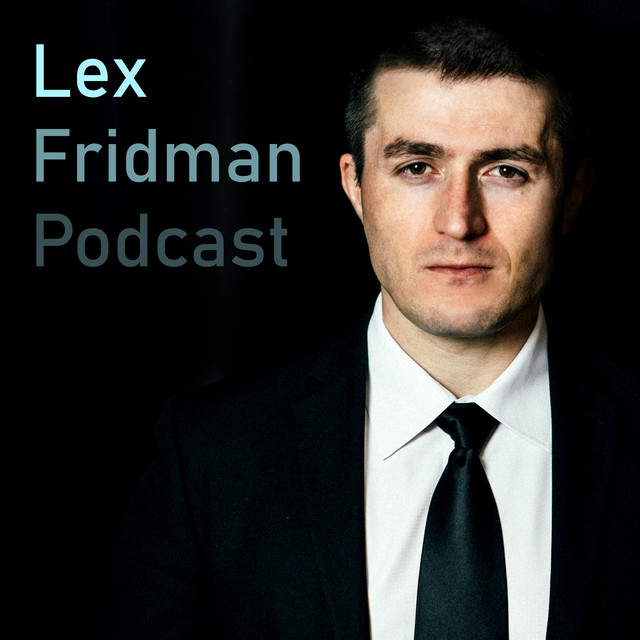
Lex interviews the people building the future — AI researchers, physicists, historians, heads of state — with a calm patience nobody else on YouTube can match. A single conversation can wander from transformer architectures to the meaning of love. It's the closest thing the internet has to auditing a graduate seminar. It is also, routinely, longer than a transatlantic flight.
4. Huberman Lab — Andrew Huberman
The Stanford neuroscientist who made "morning sunlight" a lifestyle. Huberman Lab episodes are structured like lectures: mechanisms first, then protocols you can actually use — sleep, focus, fitness, dopamine. The value density is real, but so is the runtime. Most listeners genuinely want the protocol list without re-listening to three hours to find it.
5. Shawn Ryan Show
A former Navy SEAL interviewing special-operations veterans, intelligence officers, and survivors of things most of us only read about. The long format is the point — trust builds slowly, and the most extraordinary stories tend to surface in hour three. One of YouTube's fastest-growing channels for a reason.
6. Modern Wisdom — Chris Williamson
Chris Williamson reads obsessively, interviews precisely, and has become the connective tissue between academic psychology and the rest of us. Multiple episodes per week, every week. Excellent — and relentless.
7. Acquired
Ben Gilbert and David Rosenthal tell the complete story of one great company per episode — Costco, Nvidia, Hermès, TSMC — researched for months and delivered in three-to-four-hour arcs. Acquired proved that on YouTube, depth wins. Each episode is genuinely a short audiobook.
8. All-In Podcast

Four investors argue about the week in tech, macro, and politics. Love them or not, All-In sets the agenda for a large part of the industry conversation — and because it's weekly and news-driven, skipping a month means missing the plot.
Now do the math
Subscribe to just these eight shows and you're looking at roughly 15–20 hours of new content every single week. That's a part-time job. Nobody — not even the hosts — watches all of it.
So most of us do one of three things: we let episodes pile up unwatched, we listen at 2× speed and retain half of it, or we quietly give up and read the YouTube comments instead. None of these feels great.
There's a fourth option.
Get the gist first. Watch what deserves it.
Gist&Chat is a free Android app built for exactly this problem. Paste any YouTube link — a 3-hour Rogan episode, a Huberman protocol deep-dive, an Acquired epic — and its AI reads the episode and hands you the summary in minutes.
- 100% on-device AI. The model runs on your phone. The episode, the summary, your questions — nothing is uploaded, no account, no servers. Not even to us.
- Two summary styles. A structured briefing when you want the facts, or a casual retelling — like a friend who watched it for you.
- Ask follow-up questions. "What supplements did he actually recommend?" Tap Ask and dig into any part of the episode. Works offline.
- Listen along. Hands-free text-to-speech with word-by-word karaoke highlighting — turn the summary itself into a two-minute podcast.
- Any language in, your language out. An English episode can become a Chinese, Spanish, or Japanese summary. 11 languages supported.
Free to download · No sign-up · Your data never leaves your phone
How it works
1. In YouTube, tap Share on any episode → Gist&Chat (or just paste the link).
2. The app pulls the episode's captions and runs its on-device AI over them — no audio upload, no cloud.
3. Read or listen to the summary, then ask follow-up questions about anything you want to go deeper on.
The point isn't to replace these shows — they're on this list because they're worth hours of your life. The point is to spend those hours on the right episodes. Skim ten summaries, watch the two that genuinely grab you, and actually finish them.
Frequently asked questions
Can AI really summarize a 3-hour podcast episode?
Yes — as long as the episode has captions (nearly all big podcasts do), the full conversation can be read and condensed by the AI. You get the arguments, the guests' key claims, and the practical takeaways in a few minutes of reading.
Is it private?
With Gist&Chat, yes, unusually so: the AI model runs entirely on your phone. Nothing you summarize or ask is sent to any server — there's no account and no analytics. Most other summarizer apps are cloud-based; this one isn't.
Does it work in my language?
Yes. The interface supports 11 languages, and the summary comes back in your language even when the episode is in another one.
Is it free?
The app is free to download with free summaries to start, and the on-device AI chat is unlimited. No sign-up required.
Also on gist-ai.net: how to summarize any YouTube video with AI, summarize articles, PDFs and photos of text — offline, practice a language with an AI in your pocket, what on-device AI actually is, on-device small language models & why Gemma 4 changed the map, offline ChatGPT alternatives — the real options in 2026, the AI chatbot that works in airplane mode, download any YouTube video's captions as text or SRT, translate subtitle files to 100+ languages, and more free creator tools — no sign-up, ever.